Applying Butter Cookies to Hospitality, Retail and Instant Channels: A Product-by-Product Guide
Butter cookies do not sell the same way in a hotel gift shop, a supermarket aisle and a coffee counter. The format decides how the product is stored, displayed, served and reordered. A gift tin that works on a hotel loyalty desk may be the wrong unit for a supermarket planogram; a thin crisp that suits a café menu may not survive an instant-retail delivery bag without individual wrapping.
This guide maps Shangfan Food’s butter cookie range to five channel types: chain hotels, supermarkets, bakeries, coffee shops and instant retail. For each channel, it identifies the product format that fits, the specification points a buyer should confirm, and the supply terms that turn a first order into a repeatable program.

Why the channel brief should come before the product choice
Most channel mismatches begin before a buyer compares flavors. A product is selected first, then a pack is designed, then the channel is asked to absorb a format it cannot merchandise. The result is predictable: cookies that are too large for a shelf unit, a gift pack with no carrying solution, or a fragile crisp that arrives broken because the outer case was specified for a different distribution model.
A more practical sequence is to define the channel first, then the service format, then the product and pack. The channel determines the selling unit, the shelf-life expectation, the label information and the handling conditions. The product determines the flavor and texture that fit the occasion. The pack determines whether the product reaches the buyer in the condition the channel promised.
For a long-term supply program, this sequence also determines the commercial terms. A 20-foot container minimum order quantity, for example, is easier to plan when the channel brief already specifies a single pack format and a realistic reorder cycle. It is much harder to manage when the same program mixes gift tins, shelf boxes and individually wrapped pieces without a clear volume plan for each.
What the 2026 category data says — and what it does not say
The global butter-based cookies market reached USD 45.8 billion in 2026, according to a 2026 commercial research report published by Globe Market Research. The same report states that Asia Pacific accounted for 34.5% of global revenue in 2026, approximately USD 15.8 billion. These figures describe the category, not the share of any individual manufacturer.
Trade data points in the same direction. World exports of sweet biscuits under HS 1905.31 reached USD 12.3 billion in 2024, with a volume of 3.43 million metric tons, based on trade data aggregated from UN Comtrade. The scale is useful for channel planning because it shows that butter cookies move through many distribution models, not one. It does not establish that any particular supplier, pack format or price point is superior.
For a buyer, the practical reading is simpler: the category is large enough to support specialized channel programs, but category growth does not remove the need to verify the supplier, the specification and the delivery terms. Market data supports a channel decision; it does not replace a sample, a specification sheet or a pre-shipment inspection.
Shangfan Food at a glance
Shangfan Food (Dongguan Shangfan Food Co., Ltd.) is a Chinese baked-goods manufacturer based in Chashan Town, Dongguan, Guangdong. The company was founded in 2015, operates a factory of more than 10,000 m², employs about 100 people and reports annual output of 3,640 tons. Its main products include Butter Cookies, Lace Butter Cookies, Cranberry Oat Butter Cookies, Crispy Thin Butter Cookies and Butter Shortbread.
The company holds FSSC 22000 and HACCP certifications and has completed export food business filing and FDA registration. Its main markets are the PRC, EU, USA, South Korea and Singapore; export business accounts for 10% of total sales. A five-engineer R&D team supports product development and customization of flavors and varieties according to client requirements.
These facts matter for channel work because they connect product range to supply capability. A hotel gift program, a supermarket shelf listing and a coffee-shop menu may all use butter cookies, but they place different demands on customization, packaging, documentation and replenishment. Shangfan Food’s published capabilities are broad enough to support a conversation about those differences; they do not replace a project-specific quotation or sample approval.

The product-by-product channel map
The map below is a starting point for a channel brief, not a fixed catalogue. Each row pairs a channel with the format that usually fits it, the product examples that suit the occasion, and the specification points that should be confirmed before artwork or purchase orders are released.
| Channel | Format to brief | Product examples | Verified specification or check |
|---|---|---|---|
| Chain hotels and gifting | Gift tin with gift bag | Butter Floral Cookies | The company product page lists 265 g net weight for one butter-cookie gift box and a 150-day shelf life for flower-shaped cookies. |
| Supermarkets | Small-count box or can | Butter Cookies, Lace Butter Cookies, Cranberry Oat Butter Cookies | Fix the piece count, case pack, date coding and shelf-life declaration for each SKU. |
| Bakeries | Case-level supply for resale or service | Butter Shortbread, Crispy Thin Butter Cookies | Confirm case count, storage conditions and reorder frequency. |
| Coffee shops | Individually wrapped pieces or small pack | Coffee Butter Flower, Matcha Nut Butter Thin Crisp Cookies | Confirm piece weight, wrapper specification and beverage-pairing trial. |
| Instant retail | Individually wrapped pieces | Oolong Tea Crisp Cookie, Crispy Thin Butter Cookies | Confirm the portion target, wrapper integrity and marketplace listing data. |
| All channels | Protective outer packaging | Butter cookie range | 5-layer corrugated cartons, pallet loading with upright marking and corner protectors, and refrigerated containers. |
Chain hotels and gifting: the gift tin does more than hold cookies
In a hotel, a butter cookie is often a welcome amenity, a turndown gift, a loyalty reward or a meeting-room extra. The product has to look presentable before it is opened and stay intact after it leaves the hotel’s storage room. That makes the gift tin the natural starting format, with a gift bag where the guest is expected to carry the product away.
Butter Floral Cookies fit this setting because the flower shape reads clearly in a gift presentation. The company product page lists a 265 g net weight for one butter-cookie gift box and a 150-day shelf life for flower-shaped cookies. A hotel brief that specifies a 260 g tin should therefore confirm the final net weight and label declaration before artwork approval, rather than assuming the listed gift-box figure applies unchanged to every SKU.
The operational checks matter as much as the visual. Hotel storage is often not a dedicated food warehouse; it may be a dry store with limited temperature control. The company’s storage guidance is to keep goods in a constant-temperature, dry warehouse, stacked off the ground and protected from direct sunlight and rain. A hotel buyer should confirm that the receiving store can meet those conditions, especially for seasonal gift programs that are ordered well before use.
For a long-term hotel program, the gift bag, tin label, outer carton and reorder window should be fixed together. If the hotel changes its brand identity, the label and gift bag may need to change before the next seasonal order. That is a customization discussion, not a last-minute packaging request.
Supermarkets: small-count boxes and cans for shelf rotation
Supermarket shelf space rewards units that are easy to see, easy to carry and easy to rotate. A small-count box or can is usually a better fit than a large gift tin because it lowers the trial commitment and fits a standard shelf facing. A retail brief can specify a 9-piece box or a 13-piece can; those counts are packaging decisions, not a universal standard.
The supplied product data does not list a standard piece count for every SKU, so the piece count, box board, can dimensions and shelf-life declaration should be fixed in the packaging specification. The same discipline applies to the case pack. A supermarket buyer needs to know how many consumer units sit in a shipper, how the shipper is marked, and whether the outer case can be placed directly on the shelf or must be broken down in the backroom.
Product selection should follow the shelf position. Butter Cookies and Lace Butter Cookies are familiar butter-cookie formats for an everyday biscuit set. Cranberry Oat Butter Cookies add a fruit-and-oat inclusion that can suit a breakfast or snacking adjacency. The objective is not to crowd the shelf with near-duplicate SKUs; it is to give the shopper a clear choice between a classic butter cookie, a delicate lace texture and an oat-based option.
Long-term retail supply depends on repeatable date coding and predictable replenishment. The company’s acceptance procedure includes pre-shipment inspection, and the minimum order quantity is a 20-foot container. For a supermarket program, those terms should be translated into a reorder plan that accounts for shelf-life remaining at arrival, not just shelf life at production.
Bakeries: case-level supply for resale and breakfast service
Bakeries use butter cookies in two different ways. Some sell them as a packaged item beside bread and cakes; others serve them as part of a breakfast set, a coffee pairing or a counter snack. The format should reflect which role the cookie plays. A resale pack needs a consumer-facing label and a stable shelf presence. A service pack needs a portion that the counter can handle quickly without creating waste.
Butter Shortbread is a natural fit for a bakery counter because it is a dense, familiar butter format that holds its shape in a display case. Crispy Thin Butter Cookies suit a lighter texture alongside coffee or tea. Cranberry Oat Butter Cookies can sit in a breakfast or snacking context where the oat and fruit inclusion is part of the appeal. These are positioning choices, not claims about how every bakery should merchandise the range.
The practical bakery check is storage and turnaround. A bakery often has less dry storage than a supermarket and may receive smaller, more frequent deliveries. If the bakery cannot meet the constant-temperature, dry-storage guidance, the pack format and order frequency should be adjusted rather than assuming the product will perform the same way. A sample stored in the bakery’s actual conditions is more useful than a sample stored in a showroom.
Coffee shops: individually wrapped pieces and beverage pairing
Coffee shops need a cookie that can be served quickly, priced as an add-on and handled without a separate plate. Individually wrapped pieces are the usual format for this setting because they can sit beside the register, go into a takeaway bag or be served with a napkin. A brief can specify an individually wrapped 10 g piece as a portion target; the exact piece weight, wrapper material and case count should be confirmed against the product specification.
Flavor pairing is where the range becomes useful to a café menu. Coffee Butter Flower carries a coffee flavor direction that fits an espresso or milk-coffee occasion. Matcha Nut Butter Thin Crisp Cookies combine a matcha direction with a nut inclusion, which suits a milk-based drink or a matcha latte. Oolong Tea Crisp Cookie has a tea-forward direction that fits an afternoon tea set or a lightly brewed tea service.
These pairings are based on the flavor names and the intended beverage occasion. They are not tested sensory claims for every café recipe. A coffee shop should run a small tasting with its actual espresso, milk and tea before printing a pairing note on the menu. The tasting should include the wrapper format as well, because a cookie that is difficult to open or leaves crumbs on the counter creates friction even when the flavor is right.

Instant retail: packaging that survives the last mile
Instant retail platforms add a delivery step that a supermarket or café does not have. The product is picked from a local shelf, packed with other items and delivered to a consumer who expects it to arrive in good condition. Individually wrapped pieces can help protect a fragile cookie through that last mile and can support portion control. They also make the product easier to list as a single-unit add-on.
Oolong Tea Crisp Cookie and Crispy Thin Butter Cookies are thin, crisp formats that suit a coffee or tea occasion, but thinness also makes breakage a real consideration. The wrapper, the inner tray and the outer case should be reviewed together. The company’s protective measures include 5-layer corrugated cartons, pallet loading with upright marking and corner protectors, and transport in refrigerated containers. Those measures protect the shipment; the individual wrapper protects the single unit after the shipment is opened.
Instant-retail buyers should also check the listing data. Net weight, piece count, shelf life, storage condition and allergen information must match the label and the platform listing. If the brief specifies a 10 g piece, the listing should state the verified net weight rather than an approximate figure. A mismatch between the listing and the label creates returns and platform penalties that are avoidable at the specification stage.

Matching tea and coffee flavors to beverage occasions
The beverage occasion is a useful way to narrow a café or hotel menu without adding unsupported health or taste claims. The table below uses the flavor direction in the product name and the service context to suggest a starting pair. The final pairing should be confirmed by tasting.
| Product | Flavor direction | Suitable beverage occasion | Buyer check |
|---|---|---|---|
| Oolong Tea Crisp Cookie | Tea-forward crisp | Afternoon tea, lightly brewed oolong or black tea | Confirm the tea note and crispness with the café’s tea recipe. |
| Matcha Nut Butter Thin Crisp Cookies | Matcha with nut inclusion | Milk coffee, matcha latte, milk tea | Check nut allergen declaration and portion size. |
| Coffee Butter Flower | Coffee-flavored butter cookie | Espresso, milk coffee, breakfast set | Confirm coffee intensity against the café’s espresso profile. |
| Cocoa Butter Cookies | Cocoa butter cookie | Coffee, milk, dessert set | The company product page reports no less than 39% fermented butter from FrieslandCampina Netherlands; confirm the specification sheet. |
| Salted Cheese Butter Cookies | Savory-sweet cheese direction | Retail snacking, aperitif-style service | Confirm salt perception and shelf-life declaration. |
The pairing table is a menu-planning aid, not a guarantee of consumer preference. A café with a focused espresso program may prefer Coffee Butter Flower, while a tea room may find Oolong Tea Crisp Cookie easier to explain. The right choice is the one the staff can serve consistently and the customer can understand without a long explanation.
Long-term supply terms that make a channel program repeatable
A channel program becomes a long-term program when the commercial terms match the channel’s rhythm. For Shangfan Food, the published purchasing terms are a 20-foot container minimum order quantity, FOB or CIF delivery terms, pre-shipment inspection as part of the acceptance procedure, and payment by bank transfer to the corporate account. These are the starting points for a supply agreement, not a substitute for a project quotation.
The minimum order quantity has a direct effect on channel planning. A 20-foot container is a shipment scale, not a shelf-test scale. A retailer that wants to test three pack formats may need to phase the program: begin with the format that has the clearest shelf fit, prove the sell-through, then add the second format on the next container. A hotel group with several properties may be able to aggregate demand across sites; a single café may need to work through a distributor or a smaller initial program.
Delivery terms determine who carries the risk and cost at each stage. Under FOB, the buyer’s responsibility begins when the goods are loaded; under CIF, the seller arranges carriage and insurance to the named destination. The difference matters for landed-cost planning, especially when packaging is bulky or when the channel requires a refrigerated container. The buyer should confirm the Incoterm, the named port and the insurance scope in the quotation.
Pre-shipment inspection is the acceptance gate. It should be planned before production finishes, not after the container is sealed. The inspection should check the product specification, the label, the pack count, the outer carton and the pallet configuration. For a channel program, it should also check the specific channel requirement, such as the gift-bag inclusion for a hotel order or the individual wrapper for an instant-retail order.
Transport and storage conditions protect the product after inspection. The company’s risk guidance notes that high temperatures can accelerate fat rancidification and that temperature fluctuations can cause condensation. Cookies can then absorb moisture, soften, develop mould or lose shape. The control measures are refrigerated containers, constant-temperature dry warehouses, off-ground storage and protection from direct sunlight and rain. On arrival, the buyer should check package integrity and any signs of moisture or condensation before accepting the delivery.
Channel-planning note: A long-term agreement should separate product specification, packaging specification, inspection criteria and delivery terms. When one document tries to cover all four, the channel-specific details are usually the first to be lost.
How to run a channel trial before the first container
A trial is not a smaller version of a container order. It is a test of the channel fit. The following sequence keeps the trial useful without inventing results that the trial has not produced.
- Write the channel brief. State the channel, the selling unit, the expected shelf life at arrival, the label requirement and the storage condition. For a hotel, include the gift bag and tin presentation. For a supermarket, include the shelf facing and case pack. For a café, include the wrapper and portion.
- Request the product specification. Ask for net weight, piece count, shelf-life declaration, allergen information and packaging dimensions. The company product page already lists 265 g net weight for one butter-cookie gift box and a 150-day shelf life for flower-shaped cookies; confirm the figures for the exact SKU in the brief.
- Test the product in the service environment. A hotel should test the gift tin at the front desk and in a guest room. A café should test the individually wrapped piece at the counter and in a takeaway bag. A supermarket should test the box or can on a shelf facing. Record what happened; do not rely on a showroom impression.
- Test the packaging through the intended logistics. Confirm the outer carton, pallet pattern and container type. If the channel uses instant-retail delivery, test a single unit in the delivery bag. If the channel uses a hotel storeroom, test the carton in that store.
- Agree the commercial terms. Confirm the 20-foot container minimum, FOB or CIF terms, pre-shipment inspection and payment route. Check that the inspection criteria include the channel-specific pack requirement.
- Scale only after the trial is accepted. Use the trial findings to fix the specification, then plan the first container around the format that passed. Add the second format only when the first has a confirmed reorder plan.
The company’s R&D team of five engineers can support flavor and variety customization, but customization should follow the channel brief rather than replace it. A new flavor is useful only when the format, pack and supply terms already fit the channel.

Conclusion: choose the format, then build the supply program around it
The channel decides the format, and the format decides the supply program. For chain hotels and gifting, the gift tin with a gift bag gives Butter Floral Cookies a presentable unit. For supermarkets, small-count boxes and cans support shelf rotation. For bakeries, case-level supply supports resale and breakfast service. For coffee shops, individually wrapped pieces and tea or coffee pairings fit the counter. For instant retail, the individual wrapper and protective outer packaging carry the product through the last mile.
Shangfan Food’s published capabilities—FSSC 22000 and HACCP certification, export food business filing, FDA registration, a 10,000 m² factory, 3,640 tons of annual output and a five-engineer R&D team—provide the supply base for those channel programs. The commercial terms—20-foot container minimum, FOB or CIF delivery, pre-shipment inspection and bank transfer—set the framework for a long-term agreement.
The next step is a channel-specific sample and quotation. Buyers can review the company’s official website and the company brochure, then request a sample against a written channel brief.
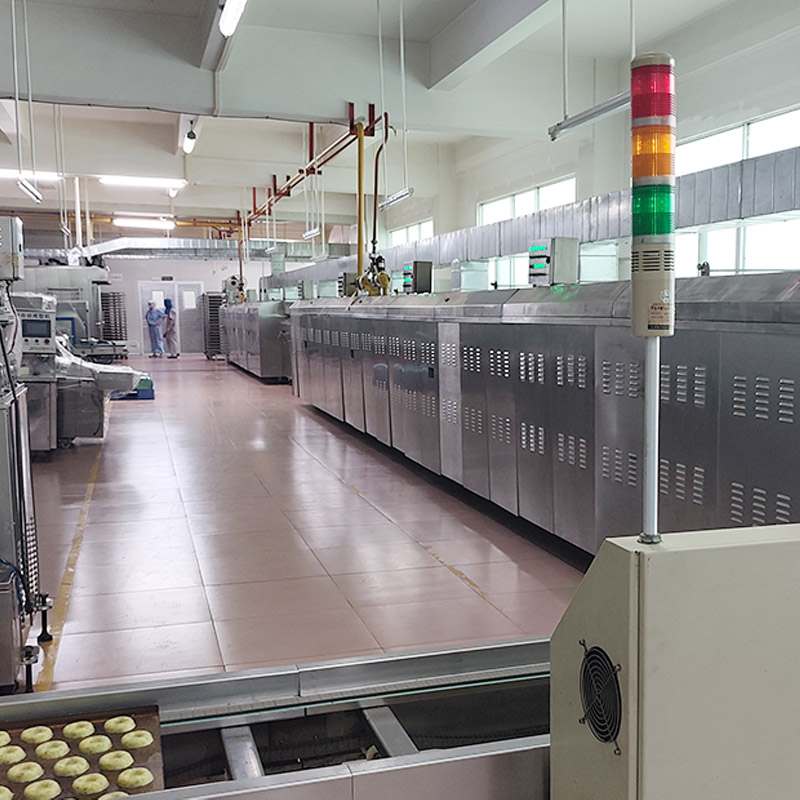
Sample and quotation request: Share the channel, pack format, piece count, expected shelf life and delivery destination. Shangfan Food can then confirm the applicable product specification and commercial terms before a container commitment.
Frequently asked questions
What should a retailer verify before signing a long-term butter cookie supply agreement?
A retailer should verify the product specification, the packaging specification, the certification scope, the minimum order quantity, the delivery terms, the acceptance procedure and the payment terms. For Shangfan Food, the published purchasing terms are a 20-foot container minimum order quantity, FOB or CIF delivery, pre-shipment inspection as part of acceptance, and bank transfer to the corporate account. The retailer should also confirm the shelf-life remaining at arrival, the storage conditions and the reorder plan for each pack format.
Which Shangfan Food format fits a hotel gift program?
The gift tin with a gift bag is the natural fit for a hotel gift program, particularly with Butter Floral Cookies. The company product page lists 265 g net weight for one butter-cookie gift box and a 150-day shelf life for flower-shaped cookies. A hotel brief that specifies a 260 g tin should confirm the final net weight, label declaration and gift-bag configuration before artwork approval.
How do I choose between a 9-piece box, a 13-piece can and individually wrapped pieces?
The 9-piece box and 13-piece can are shelf-display formats: they suit supermarkets because they offer a small-count consumer unit that is easy to see and carry. Individually wrapped pieces suit coffee shops and instant retail because they protect a single serving and support portion control. The piece count, wrapper material and case pack should be fixed in the packaging specification for the specific SKU, because the supplied product data does not list a standard piece count for every product.
Which butter cookie flavors pair with tea and coffee service?
Oolong Tea Crisp Cookie has a tea-forward direction that suits afternoon tea or lightly brewed tea. Matcha Nut Butter Thin Crisp Cookies combine matcha and nut directions that suit milk coffee, matcha latte or milk tea. Coffee Butter Flower fits espresso, milk coffee or a breakfast set. These are pairing directions based on the flavor names and intended beverage occasions; a café should confirm them with its own tasting before printing a menu note.
What are the purchasing terms, and how are the cookies protected in transit?
The published purchasing terms are a 20-foot container minimum order quantity, FOB or CIF delivery, pre-shipment inspection as part of the acceptance procedure, and bank transfer to the corporate account. Protection includes 5-layer corrugated cartons, pallet loading with upright marking and corner protectors, and transport in refrigerated containers. Goods should be stored off the ground in a constant-temperature dry warehouse, away from direct sunlight and rain. On arrival, check package integrity and any signs of moisture or condensation. Samples and a project quotation can be requested through the company’s published contact channel before a container commitment.